
Are AI Dashcams the Future for HGV and Coach Drivers? Here’s What You Need to Know
Let’s talk about something that’s making a big splash in the world of commercial driving — AI dashcams. You may have heard how companies using these smart camera systems from Ctrack have seen a staggering 70% reduction in distracted driving within just a year.
Now, the big question is: do you think AI dashcams are a good idea for HGV and coach drivers? Would they help keep you safer on the road? Or are they just another piece of tech that’s more trouble than it’s worth?
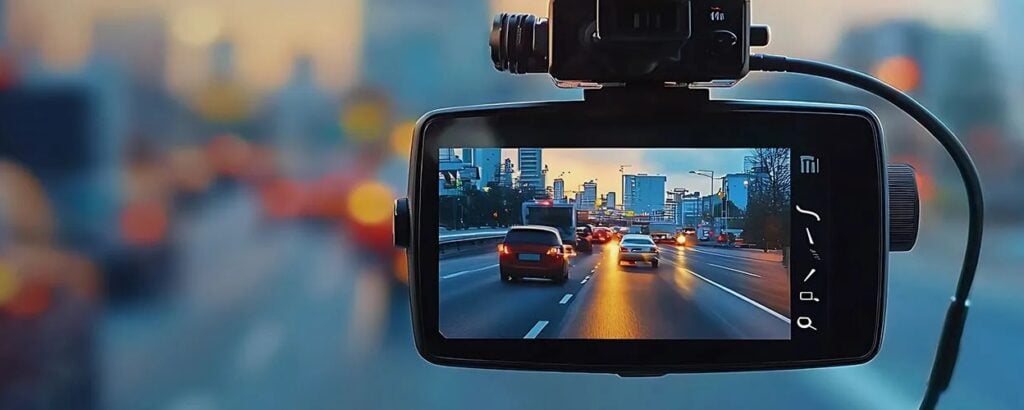
So, what exactly do these AI dashcams do? Well, they’re not your average cameras. These devices feature forward-facing cameras that record what’s happening on the road and driver-facing lenses that monitor driver behaviour in real time. They can detect a bunch of risky actions — like using a mobile phone, smoking, fatigue, or eyes off the road — all major causes of accidents in the industry.
Many fleets that have adopted AI dashcams have experienced significant drops in distracted driving — especially mobile phone use. The real benefit? Instant alerts allow drivers to catch themselves before a risky behaviour turns into a crash, while the insightful data helps fleet managers identify persistent offenders to offer targeted, personalised training.
Proactive feedback from these devices not only promotes safer driving but also improves overall concentration. Drivers become more aware of their behaviours and recognise how these cameras support their safety on the road. Feedback from operators shows that once drivers understand how the technology works, they see the safety benefits firsthand.
For HGV and coach drivers, it’s worth asking: Could AI dashcams help you stay safer, reduce fines, minimize risk of collisions, and even catch fatigue early? With their ability to provide real-time feedback and detailed insights, these devices are shaping the future of fleet safety — and it’s an exciting shift.
What do you think? Would AI dashcams be a good fit for your driving operation? Or do you prefer sticking to traditional methods?